
Asian Lady Beetle VS Ladybug: Which One Is Invading Your Home Right Now?

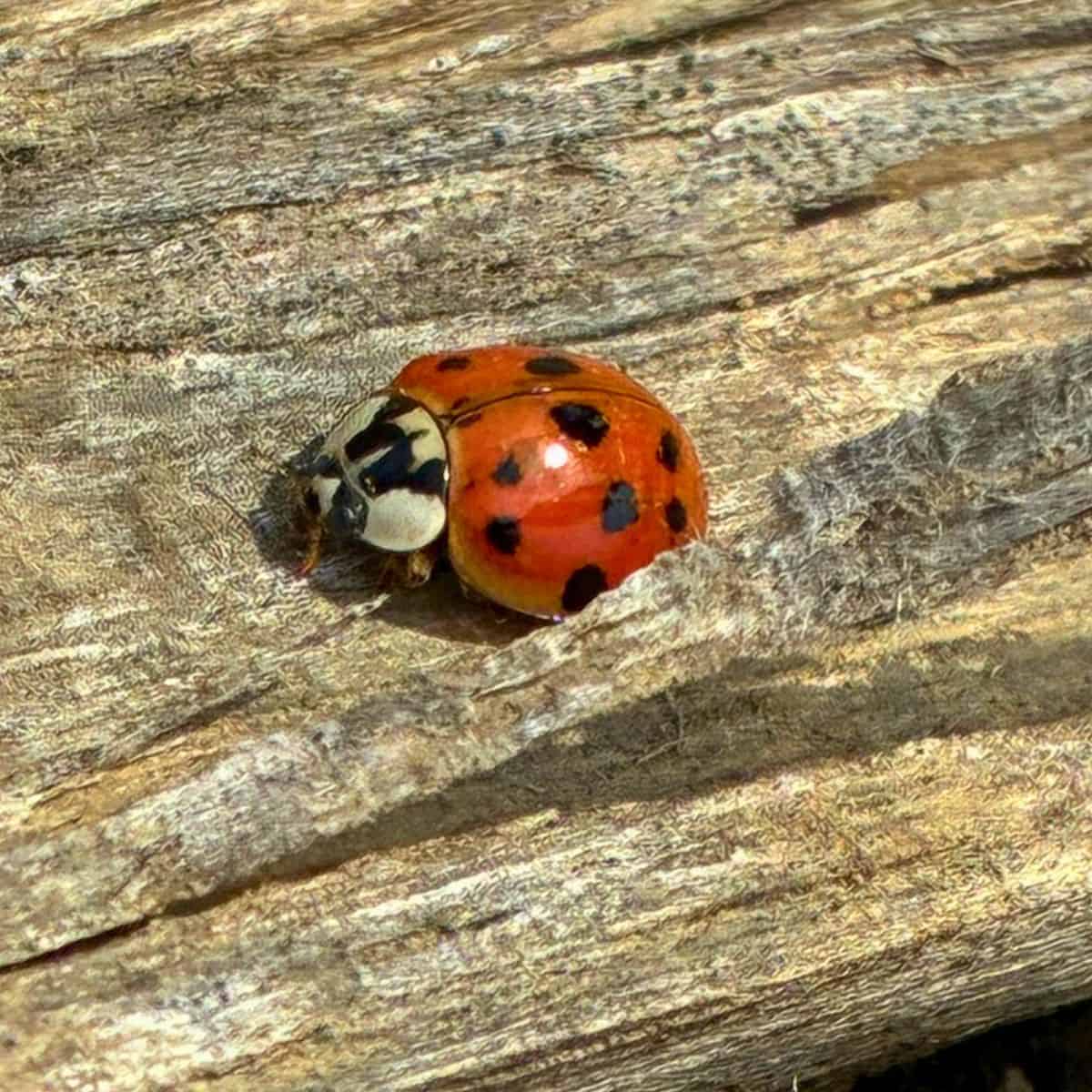
If you’ve noticed small orange or red bugs gathering on your windows, walls, or ceilings, you’re not alone. Every year, homeowners start asking the same question: are these ladybugs… or something else? The truth is, many people get confused when it comes to lady beetles vs ladybug, often mistaking the invasive Asian lady beetle for native ladybugs. While both can protect your garden, one can quickly become an unwelcome nuisance inside your home.
Here at Kowalski Mountain, it feels like an invasion! Every fall, they cover our outbuildings and somehow still find their way inside our home, clustering on windows and walls like they own the place. In the spring, while lower in numbers, beetles awakening from hibernation find their way back to the windows looking for a way out! If you’ve ever dealt with the same thing, you know exactly how frustrating it can be.
SUMMARIZE & SAVE THIS CONTENT ON
Asian Beetle vs Ladybug: What’s the Difference?
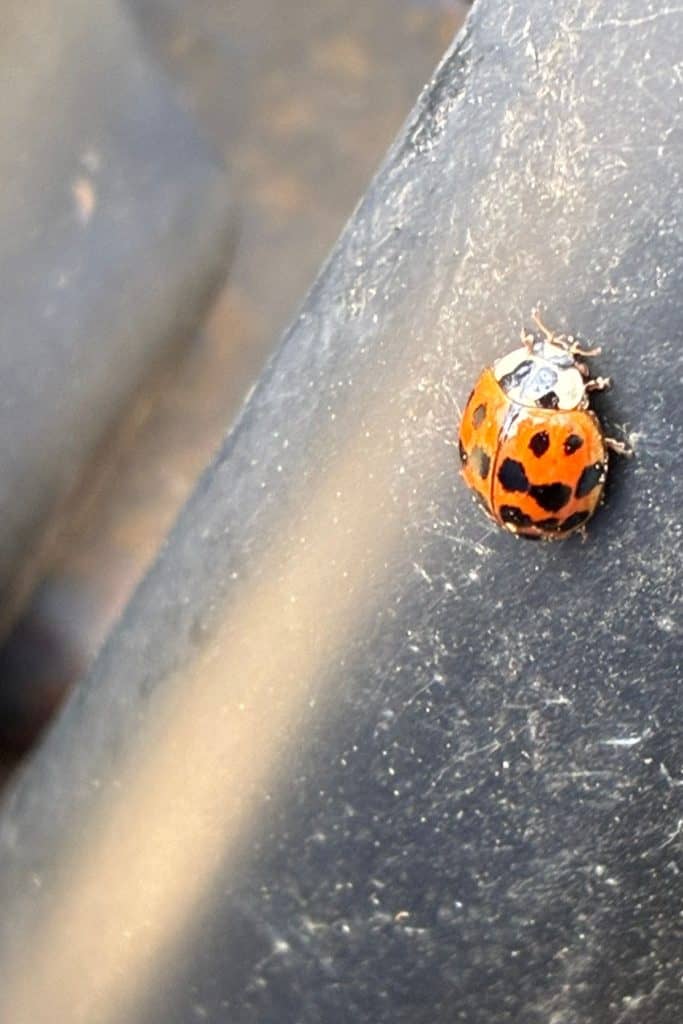
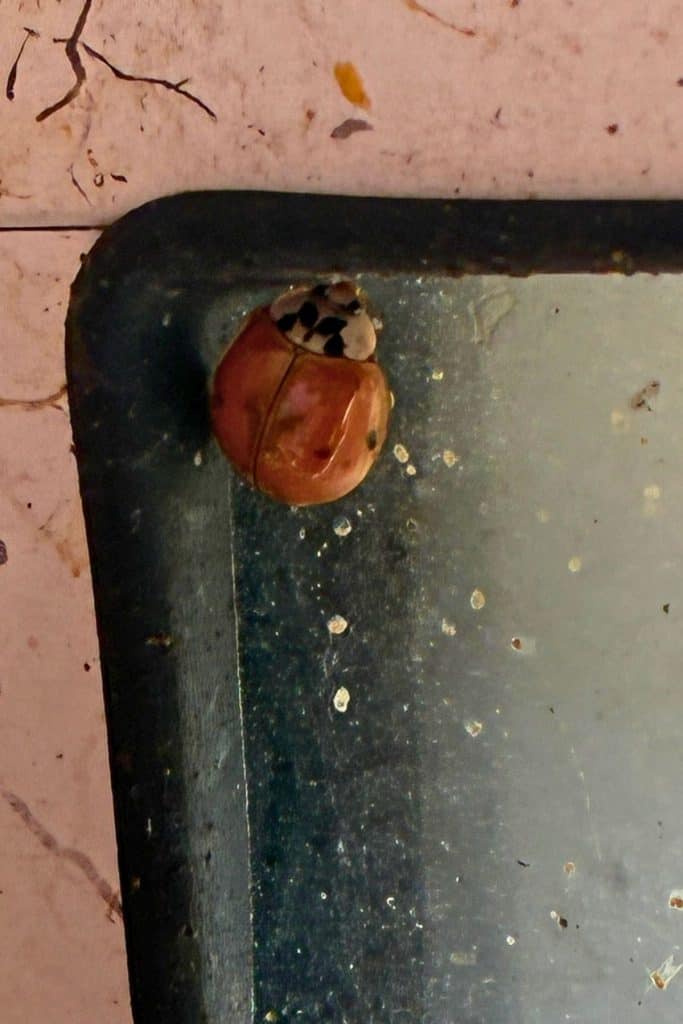
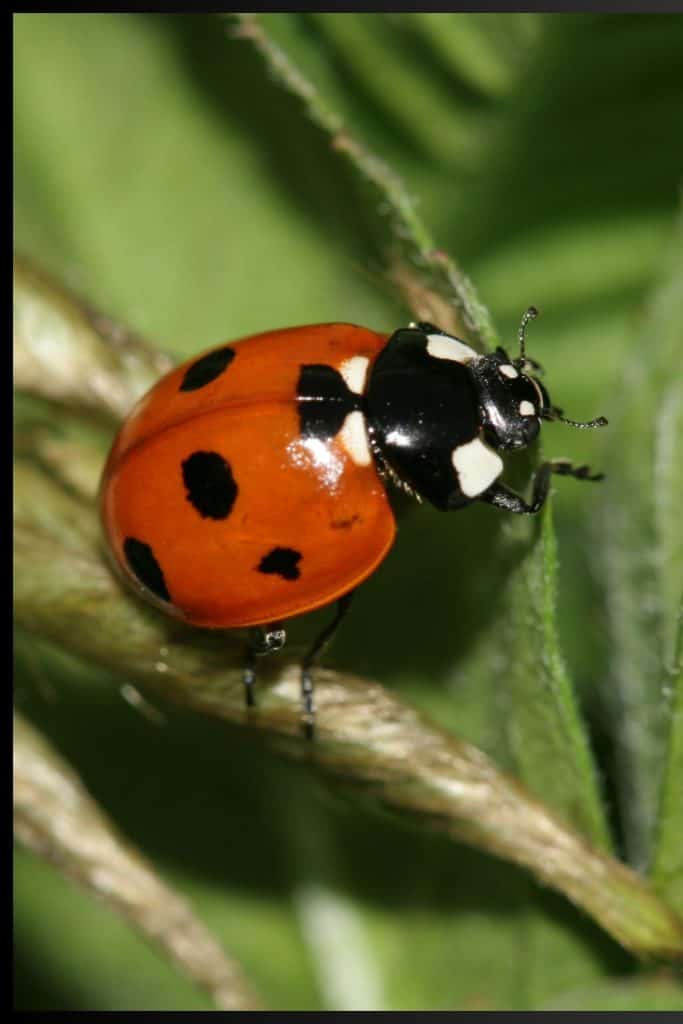
At first glance, the Asian lady beetle and ladybugs look the same. However, some key differences can help you identify the species. The most distinguishing feature is the white markings on the Asian lady beetle’s head. While the markings may vary slightly in thickness, they typically form an “M” or “W”. Ladybug heads are mostly black, with only small white cheeks.
Ladybugs are most often red to orangish in color. Asian lady beetles have a lot of variation is color from red, orange, yellow, to rusty orange.
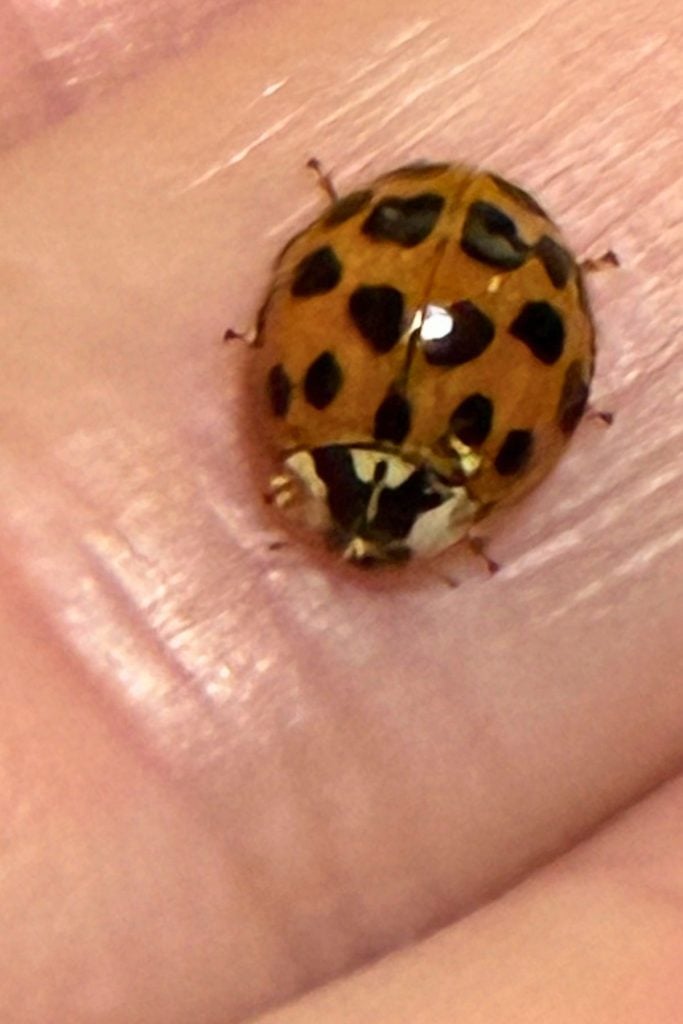
Ladybugs and Asian lady beetles differ in their spotting patterns. Ladybugs have consistent spot patterns. Their black spots are consistent in size, though they may vary in number of spots between species. Asian lady beetles have no consistency at all, in the size of spots, to number. Some even have no spots at all!
While less noticeable, the ladybug is a slightly smaller insect. They are more round in shape versus an oval shape of the lady beetles.
What is an Asian Lady Beetle?
The Asian lady beetle is native to Asia. They were first brought to the United States during the 1960’s to the 1990’s by the U.S. Department of Agriculture as a means of controlling the aphid population. They are especially helpful in controlling soybean aphids but are also found abundantly in other agricultural crops including corn, alfalfa, roses, and tobacco.
While not directly released in Kentucky, they were first spotted in Hickman County in 1992. Here at the homestead, our farm is bordered by fields that grow soybeans commercially. Each fall we experience an infestation following the soybean harvest. Unlike ladybugs who seek outdoor locations to overwinter, the Asian lady beetle seeks shelter and warmth in large groups inside. They are attracted to reflective surfaces and make their way in through cracks, holes in screens, or may even come through the front door!
In the spring, the Asian Lady Beetles that managed to hibernate inside begin to awaken. They gather on our windows and skylight, doing their best to find a way out. The spring invasion, though smaller, is still a frustration.
Asian Lady Beetles Fight Back
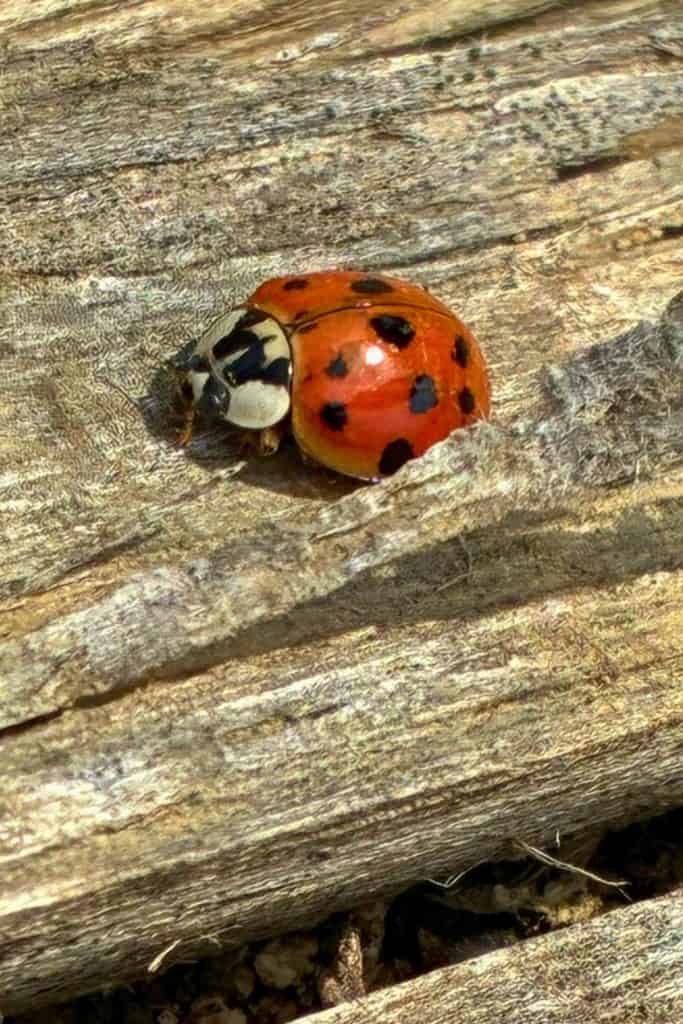
One surprising fact is that Asian lady beetles bite! Consider it a quick pinch, more like an ant. While there is no venom that causes swelling or long-term pain, the pinch is unexpected from such a small creature and hurts more than you might expect.
If you attempt to squish a beetle, you will likely notice the reflex bleeding which is a defensive behavior. Yellowish fluid is released through the exoskeleton. This fluid has a nasty smell and taste if your pets try to eat the beetles.

Chiggers VS Turkey Mites?
What’s biting me in the woods? How can I fight back?
What is a Ladybug?
There are about 5000 species of ladybugs in the world. While there are about 400 species native to North America, one of the most commonly recognized species is the Seven-Spotted Ladybug that was imported from Europe. This bright orange to red species has a series of seven black spots on its wing covers.
Adult ladybugs are sometimes referred to as lady beetles or ladybird beetles. Gardeners and commercial farmers love ladybugs! Each ladybug can eat over 5000 aphids in their lifetime! Some gardeners purchase ladybugs as natural pest control. They eat a variety of garden pests such as aphids, mealybugs, spider mites, thrips, and other soft-bodied insects.
Ladybugs live where aphids are prevalent. The adults fly well and can migrate to new areas when food sources become scarce. Ladybugs gather for hibernation, called a diapause. Gathering before hibernation is easiest way to encourage reproduction when the ladybugs awaken in spring. Unlike Asian lady beetles, ladybugs tend to hibernate outside.
Find this post helpful?
Share it on Pinterest
How to Get Rid of Asian Lady Beetles Naturally?
Honestly I must admit, throughout the season, I tend to become weary in fighting against the Asian lady beetle invasion. Especially close to the soybean fields, keeping this insect at bay is a full time job!
The best way to keep beetles from invading your home is prevent them from entering in first place. Make sure cracks are sealed and screens are repaired. Some homeowners choose to spray the outside of the house to prevent Asian lady beetles from entering.
We try not to use any insecticides on our farm, so not to harm our honeybees. This means that we have to take a more hands-on approach to removing Asian Lady beetles from our home. Since the beetles fly, a broom can be ineffective in removing live beetles. A vacuum cleaner with a wand can be helpful, though it always surprises me how well they can hold on! You will also be limited in the reach of your vacuum hose.
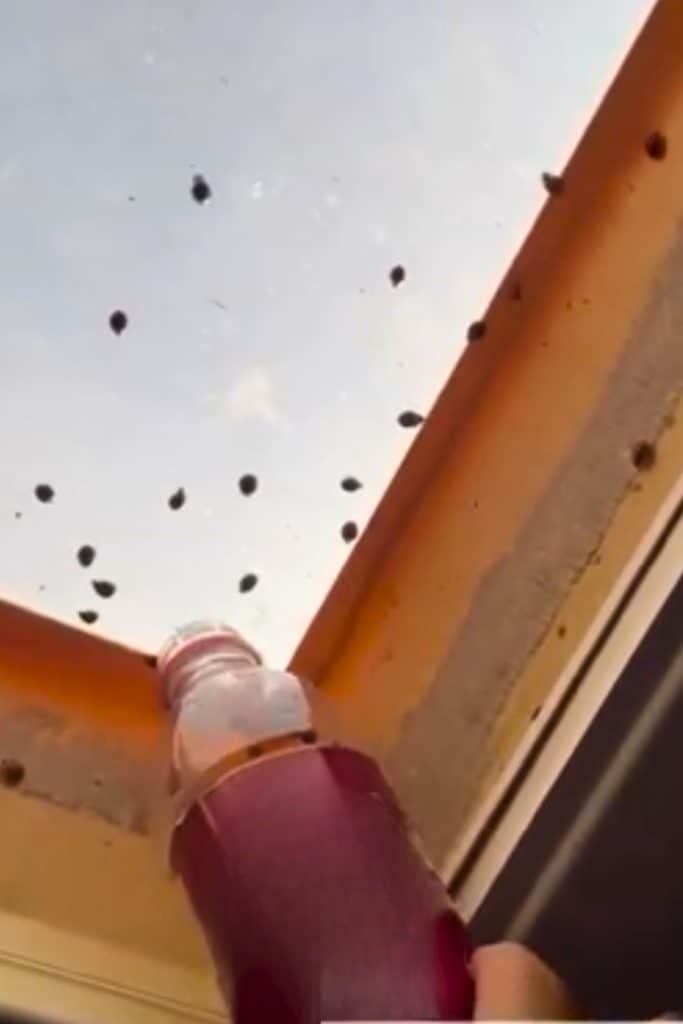
One of the most effective strategies we have used is a plastic water bottle to capture each beetle. I know, it seem crazy to catch them one by one, but even using the vacuum you will be catching them one by one! The bottle is easy to use. Place the mouth of the bottle over the beetle and slowly drag is until the beetle lets go and falls into the bottle. Think of it like Pac-Man!
Lady Beetles vs Ladybug: Final Thoughts
Unfortunately, here at Kowalski Mountain, we’ve learned to expect the seasonal invasion. When it comes to lady beetles vs ladybug, the difference becomes very clear this time of year. While Asian lady beetles do help manage the aphids that attack our garden, their invasive behavior still forces us to fight back inside our home. Learning how to tell them apart gives you the confidence to protect your home without harming the beneficial insects your garden depends on. And if you’re seeing them gather on your windows right now, be ready to take action to prevent an all-out invasion in your home.

About the Author: Barbra-Sue Kowalski grew up on a small hobby farm. She was always drawn to farm life, however, she was stuck in an urban life far from her roots. Barbra-Sue was a single mom for 13 years, raising her 3 children on her own. She met Philip in 2018 and they married in 2021. Between the two of them, they have 5 grown children and 7 grandchildren. These empty nesters are following their dreams! As they both turn 50, they are building their off-grid homestead to live the life that they dream about. Learn more about Philip and Barbra-Sue here. Contact them here. To leave a comment on this post, please scroll down.


