
How to Clean Cheesecloth: Easy Washing Tips for Reuse

In our modern society, many people have become accustomed to one-use products that we use and throw away when the job is complete. Even more so, many people use disposable materials in the kitchen. However, in past generations, the materials and kitchen tools people used were reusable. While I have used cheesecloth limitedly in the past, as a new cheesemaker, cheesecloth has become a staple in my kitchen linens. The first time my cheese recipe failed, the curds melded into the fibers of my cheesecloth and left me frustrated. Even my cheesemaking book declared my cheesecloth was ruined! Thankfully, you don’t have to throw it away, cheesecloth washes and reuses easily Learning how to clean cheesecloth properly can save money, reduce waste, and extend the life of this useful kitchen tool.

With careful cleaning, it’s as good as new!
What is cheesecloth?
Cheesecloth is used in a variety of ways in the kitchen. The most common use is in the cheese-making process, where it gets its name. However it’s used for a variety of food preparation tasks such as s also used for straining Greek yogurt and cream cheese, or jelly making. It can be used to filter maple syrup or rendered fats. Use it to create a teaball for steeping herbs.
Cheesecloth is a 100% cotton fabric. Cooks most often use unbleached cheesecloth in food preparation. When buying cheesecloth for the first time, not all cheesecloth is created equal!

Cheesecloth comes in different grades. The grades are based on the number of threads per square inch. The lower the grade, the fewer threads per square inch. Higher grades have a higher thread count. Grade 10 has only 20 x 12 threads per square inch, meaning it is light, with a more open weave that is good for projects that require good air flow. People often use it in crafts and decorating. As a cheesemaker, I consider grade 10 a “grocery store” cheesecloth that does not meet the needs of a cheesemaker.
Grade 90 has the highest number of threads at 44 x 36 threads per square inch. This cheesecloth will perform better in straining than a looser weave cheesecloth. Personally, I prefer butter muslin. Butter muslin also has a thread count of 90 threads per square inch, similar to a high-quality cheesecloth; however, it has a finer weave. Because butter muslin has a tighter weave, you must handle its cleaning with extra diligence. Proper cleaning is most important for food safety reasons; however, proper care and cleaning will extend the life of your cheesecloth.
Tips for Reusing Cheesecloth Safely
- Rinse Immediately: One of the most important things you can do to take care of your cheesecloth is to rinse it immediately after use in clean water. While there are times when food particles will be firmly adhered to the cheesecloth, most times it’s easy to rinse out. I prefer to rinse with cool water so as not to “cook” the particles into the fibers of the cloth. If the cheesecloth is stained or I don’t have time to hand-wash right away, I soak the cheesecloth in a vinegar solution.
- Hand Wash Gently: While I like to run my cheesecloth through the washing machine. I found that handwashing my cheese cloth produced cleaner results. While hand washing may sound labor-intensive, it’s actually quite simple.
- Boil for Sanitation: After you have cleaned your cheesecloth, dump out the water and boil the cheesecloth in clean water. This will help remove any leftover detergent, and it will sanitize the cheesecloth. This is especially important when using cheesecloth for cheesemaking (or any other food-related projects).
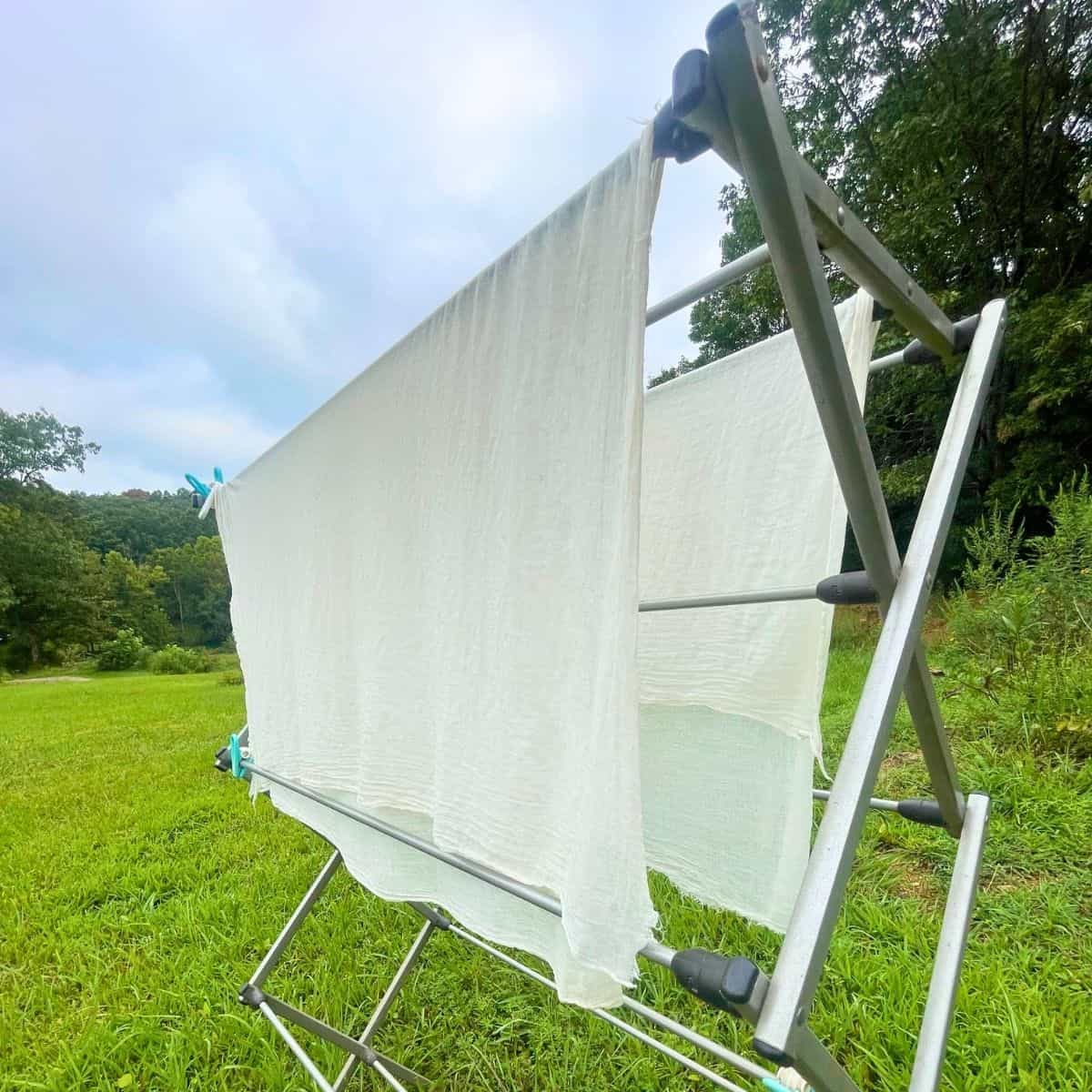
- Dry Completely Before Storage: Once clean, ring out the cheesecloth and hang it to dry. Cheesecloth is dryer safe, but avoid fabric softener sheets and artificial fragrances. Personally, I prefer to hang them in the sunshine to allow the sun to work it’s magic! Line drying helps whiten the cotton gauze fabric, remove any lingering odors (they smell divine), and drying in the sunlight can kill bacteria. Storing damp or wet cheesecloth can lead to mold or bacterial growth.
- Inspect Before Next Use: While cheesecloth and buttermuslin are reusable, they’re not indestructible. Though proper care will extend the life of your cheesecloth, if it has holes, becomes frayed or is stained beyond use, it may be time to retire your cheesecloth from kitchen use. Depending on the condition, it may be downgraded to be used as a rag for cleaning.
- Store in a Clean, Dry Place: Once cleaned and dry, I fold my cheesecloth neatly and store it inside a kitchen cabinet. While cheesecloth may look cute in a decorative basket for storage, it will be more likely to get dirty, collecting dust, oil, and unpleasant odors.
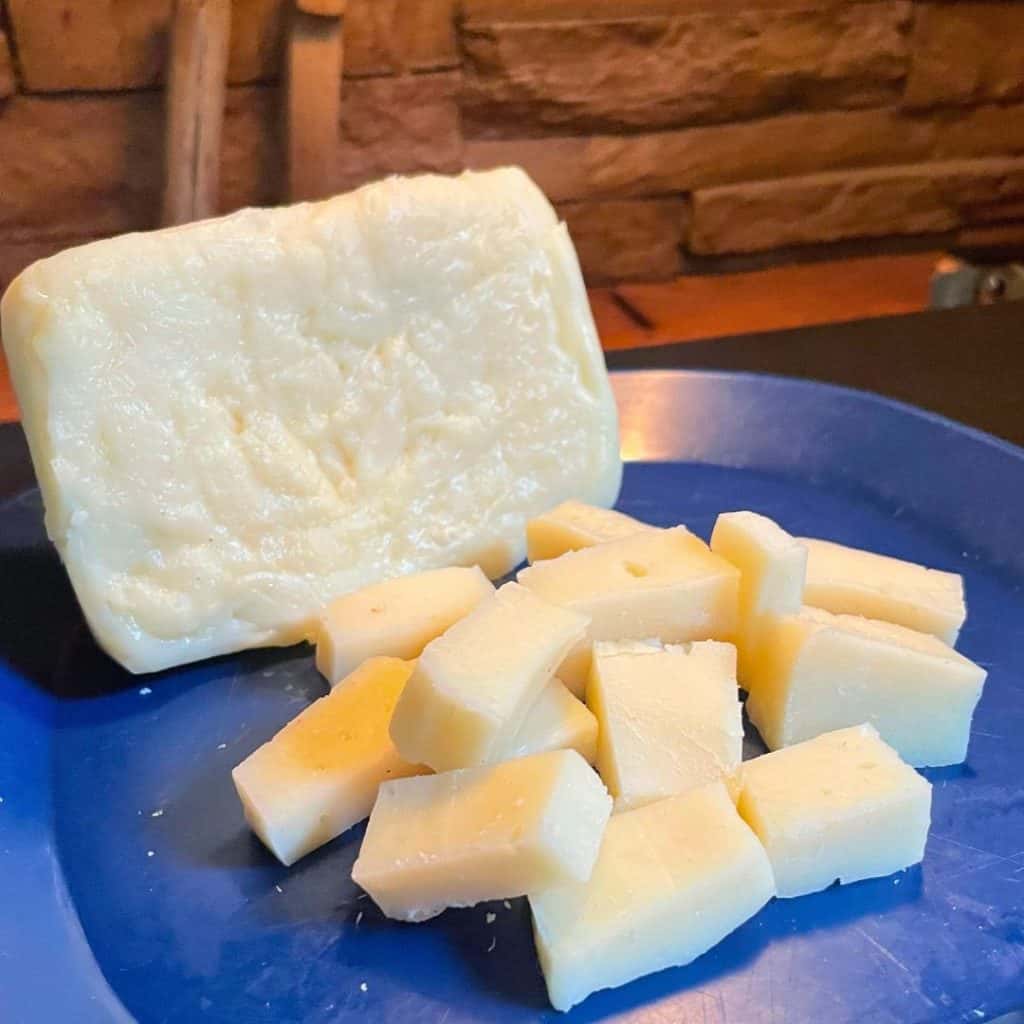
Want to make your own cheese?
My homemade Amish Velvetta cheese is so easy, anyone can make it, EVEN with store-bought milk!
Step-by-Step Guide to Hand Washing Cheesecloth
To keep your cheesecloth in good condition, it’s best to take care of it immediately after use.

Pro Tip
Be careful when using metal tongs; hot water can collect in the handles of the tongs and run down your arm as you agitate the fabric. Use care to prevent burns.


How to Clean Cheesecloth
Equipment
- pot of water
- soiled cheesecloth
- metal tongs or wooden spoon (optional)
Ingredients
- 1 tbsp baking soda
- splash white vinegar
Instructions
- Rinse loose food particles immediately after use.
- Using a large pot, fill it about 1/3 full of water. It needs to be deep enough for the cheesecloth to be submerged, but allow plenty of space for boiling.
- Add a tablespoon or so of baking soda.
- Bring the pot of water to a boil.
- Boil the cheesecloth for 5 to 10 minutes.
- Use a pair of tongs to "agitate" the cheesecloth as it boils.
- If the cheesecloth is stained, soak the cheesecloth in a baking soda and vinegar solution for at least 30 minutes.
- Repeat steps as needed.
- To sanitize the cheesecloth, boil the cheesecloth in clean water for 10 minutes.
- Hang to dry.
- Cheesecloth is machine washable and can be dried in the dryer. However, to ensure all food particles are removed from my cheesecloth, I always follow these handwashing steps prior to tossing it in the washing machine.
Common Questions about Cheesecloth
Q: What do you do if cheesecloth smells?
A: Soak the cheesecloth in a baking soda solution with a touch of vinegar. Try line drying. Strong odors in cheesecloth, especially that which is used in dairy processing, may indicate insufficient washing that has created leftover bacteria. If strong odors persist after thorough cleaning, it may be time to retire your cheesecloth. Washing cheesecloth immedaitly after use is the best way to prevent strong odors .
Q: Can you wash cheesecloth in the washing machine?
A: Yes, cheesecloth can be washed in the washing machine. If washing with other laundry, you can put your cheesecloth in a mesh laundry bag. Choose a fragrance-free soap and avoid toxic chemicals in the laundry.
Q: How many times can cheesecloth be reused?
A: Cheesecloth can be used indefinitely. The better you take care of it, the longer it will last. Always replace cheesecloth when wear or stubborn stains prevent proper cleaning.
Q: What’s the best alternative to cheesecloth?
A: Butter muslin is my preferred fabric for cheesemaking. You can also purchase muslin or unbleached cotton fabric at your local fabric stores. Some cheesemakers like to use 100% cotton kitchen towels, also called flour sack towels that are a lightweight cotton fabric with a smooth weave.
Q: My hard cheeses stuck to my cheesecloth. Is it ruined?
A: No, leftover bits of food stuck on cheesecloth do not ruin it when handled properly. I pick off as much stuck-on food as I can, being very careful not to damage the fibers of the cheesecloth. Once done, boil the cheesecloth in a baking soda mixture right away. The stuck-on cheese should lift off during the boiling process. After the cheesecloth cools, I rinse the cheesecloth and take it outside to give it a good shake, looking for stuck-on pieces of cheese. If necessary, boil the cheesecloth a second time in baking soda solution. Continue the hand washing process as decribed.
Caring for your cheesecloth doesn’t have to be complicated. With a little attention and the right techniques, this simple cotton fabric can be reused many times, saving both money and waste in your kitchen. Do you have your own tricks for reusing cheesecloth? Share your favorite tips or questions in the comments below, I’d love to hear from you!

Find this post helpful?
Share it on Pinterest

About the Author: Barbra-Sue Kowalski grew up on a small hobby farm. She was always drawn to farm life, however, she was stuck in an urban life far from her roots. Barbra-Sue was a single mom for 13 years, raising her 3 children on her own. She met Philip in 2018 and they married in 2021. Between the two of them, they have 5 grown children and 6 grandchildren. These empty nesters are following their dreams! As they both turn 50, they are building their off-grid homestead to live the life that they dream about. Learn more about Philip and Barbra-Sue here. Contact them here. To leave a comment on this post, please scroll down.


