
Molting Survival Guide: How Long Do Chickens Molt & Not Lay Eggs

As the days grow shorter in the fall season, nature prepares for the coming cold weather. For chickens and all birds, molting is the natural process of renewing feathers. During the molting period, chickens shed old feathers to grow new plumage. A laying hen’s energy is redirected from egg production to feather regrowth. The length of time hens stop laying can vary depending on breed, age, and overall health. Understanding how long chickens molt and not lay eggs can help you support your backyard chickens and prepare yourself for the coming egg shortage.
What is Molting in Chickens?
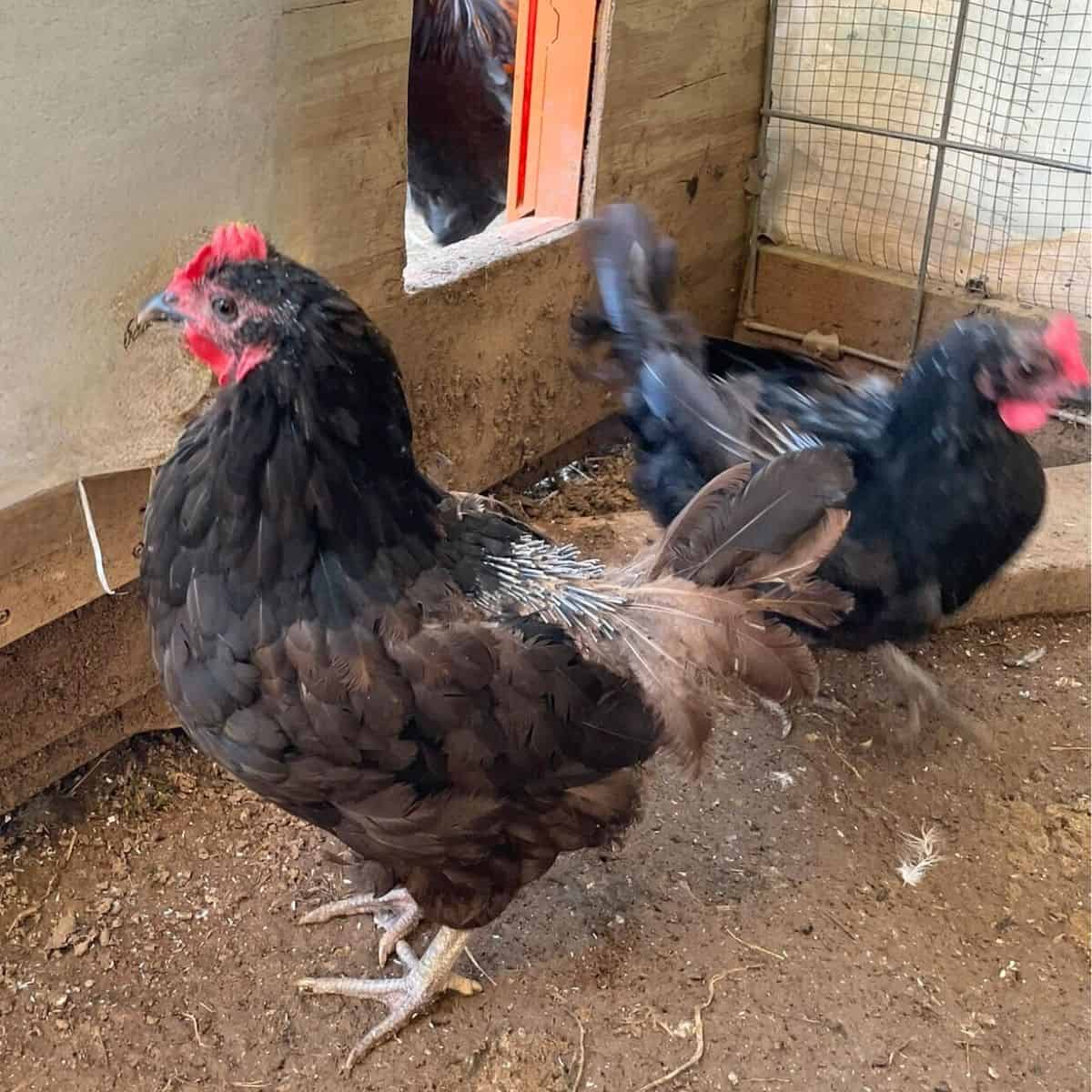
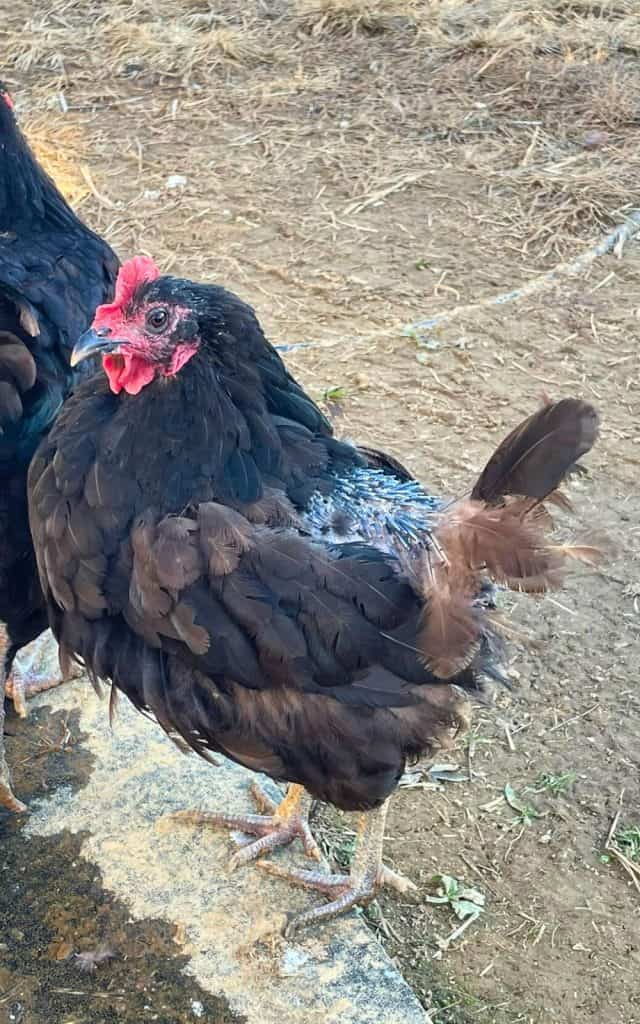
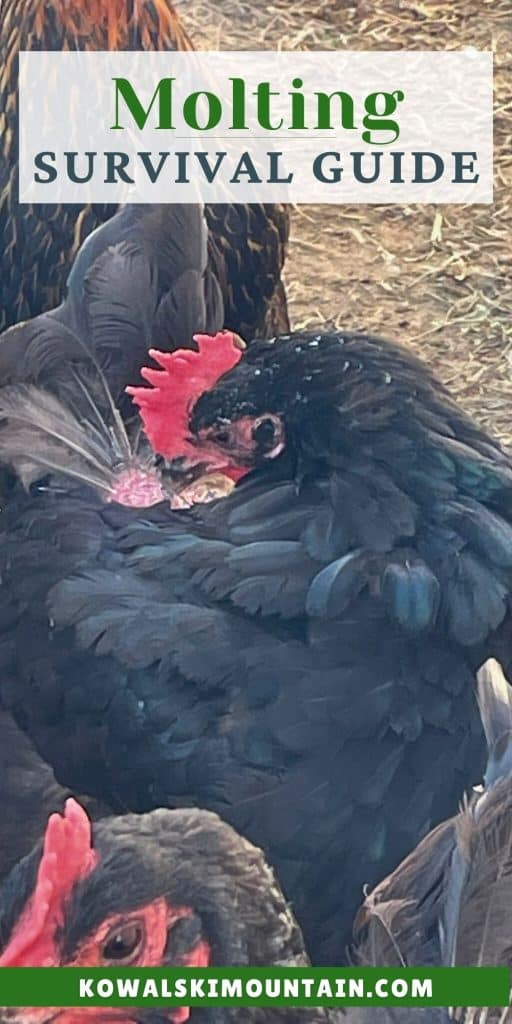
If you are not expecting it, the molting process in early fall may be alarming. With the shorter days and decreased daylight, chickens will experience a hormonal shift that triggers their annual molt. Molting is usually a gradual process, taking several weeks during which chickens lose their worn-out feathers. Chickens will begin to look raggedy, almost like their “stuffing” is coming out. They may have bald spots, bare backs, or they may lose all of their tail feathers. The feather loss is typically symmetrical, starting at the bird’s head and neck, progressing to their body, wings, and tail. While the barnyard may look like a feathery confetti cannon exploded, chicken molting is an important time of the year. Not only are the chickens preparing for the coming cold weather, but they also experience a time of rest.
Other than the explosion of chicken feathers, there will be other signs of change in the barnyard. Some chickens may seem under the weather or stressed during the fall molt. It’s typical at this time of year that most laying hens will stop laying eggs completely, while others will lay fewer eggs.
The Molting Process: Step By Step
Why Do Chickens Stop Laying Eggs During the Molt?
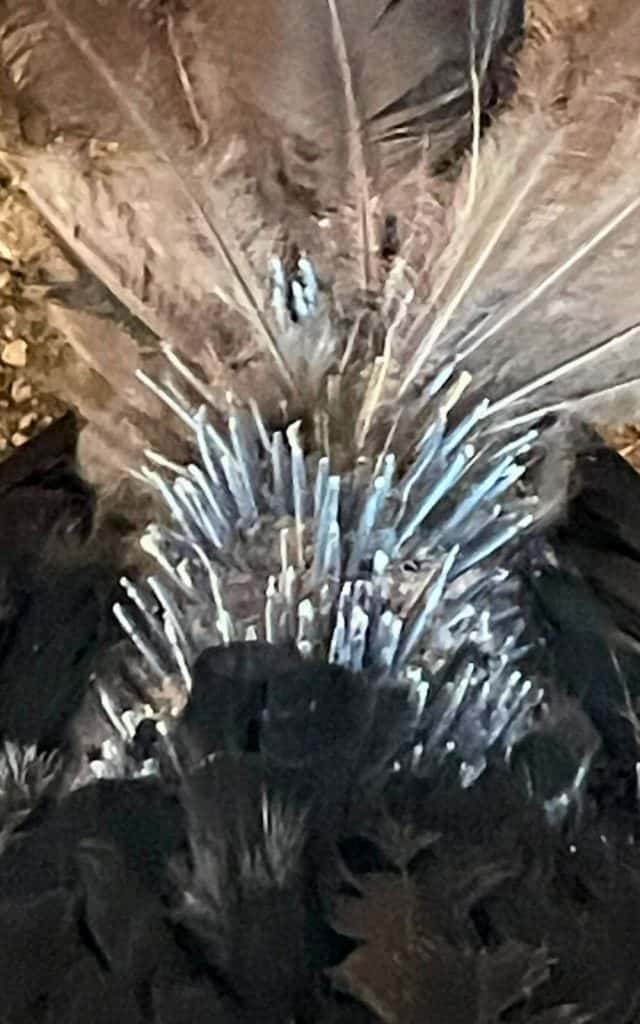
Feathers are primarily composed of keratin, which is a structural fibrous protein. Astoundingly, feathers are composed of 85% to 90% protein. Therefore it requires a significant amount of protein to create new feathers. Since the regrowth of feathers is so demanding on the dietary needs of the birds, most chickens will stop laying eggs.
Eggs, like other foods, are seasonal. Even after the chickens have recovered their feathers, they may enjoy a longer break from laying fresh eggs, especially in parts of the country that experience shorter daylight hours. Approximately 14 hours of daylight are required to prompt egg production. While egg production can be manipulated by artificial lighting, we prefer to accept the natural life cycle that allows adult chickens to rest and recoup.
Preserve Eggs for Winter
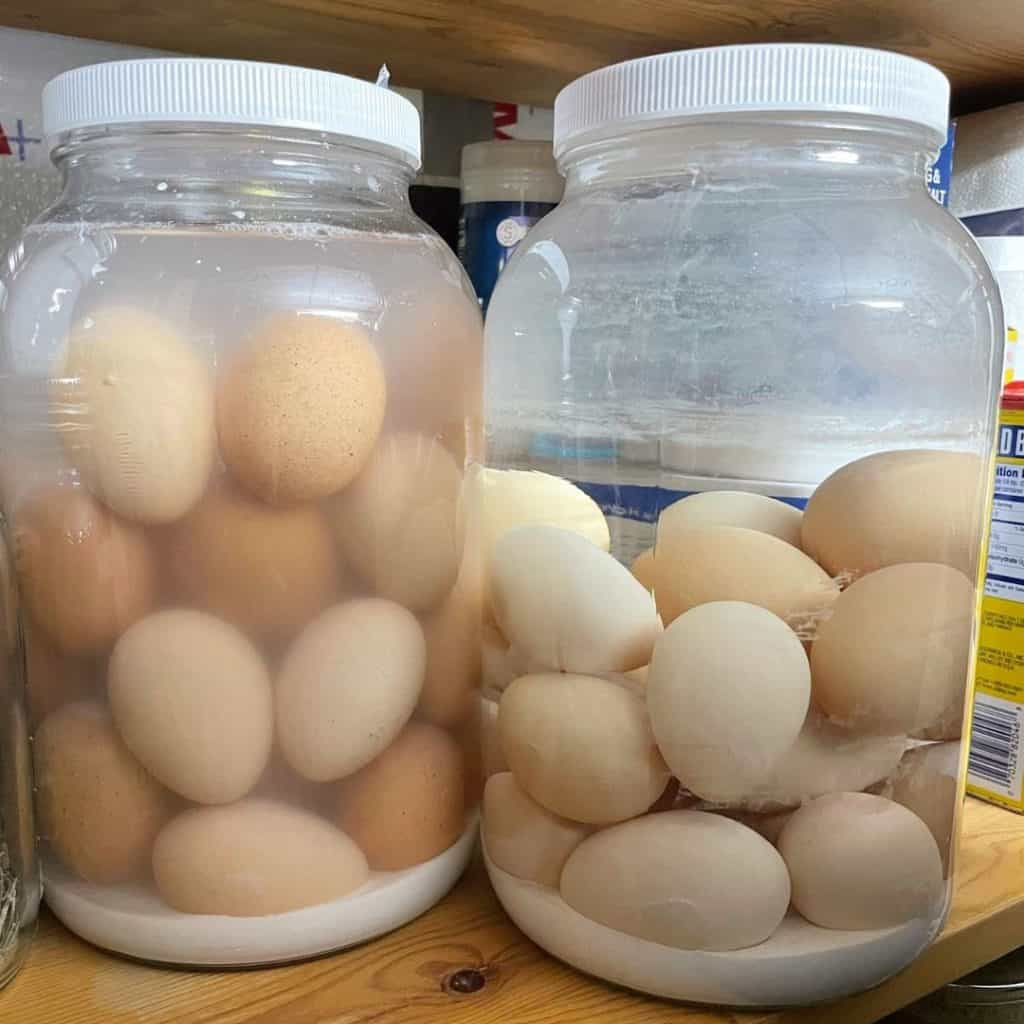
In this modern age where food is always available, it’s easy to forget that foods are seasonal. Eggs are no different! While we combat seasonal egg loss in a few ways, preserving eggs in lime solution really works! I conducted a year-long experiment to see how well this worked and how long we found the eggs to be usable. The good news is this is a great solution to ensure you have fresh eggs all winter!
Caring for Chickens During the Molt
The best thing you can do for a molting flock is to provide a high-protein diet. Many backyard chicken keepers switch to meat bird feed. This non-medicated high-protein chicken feed has 22% protein versus a 16% layer pellet. While some chickens may appear sulky, others will act like they are starving! Producing feathers not only exhausts their daily food intake, but it can also exhaust their nutrient reserves.
Maintain a stress-free barnyard. Molting is not the time to make a sudden change to your chicken’s living arrangements or add new birds. Changes in the hen house upset the pecking order, and molting chickens are already experiencing a stressful time.
Ensure your chickens have good shelter in a draft-free chicken coop. Chickens use their feathers and the downy feathers underneath to keep warm. Birds that are molting have less to work with. New pin feathers are unable to help capture their body heat. Depending on where you live, they may already be experiencing colder temperatures, which adds to the stress of molting.
Monitor the health of your chickens. Take advantage of bald chickens to check for mites or other external parasites.
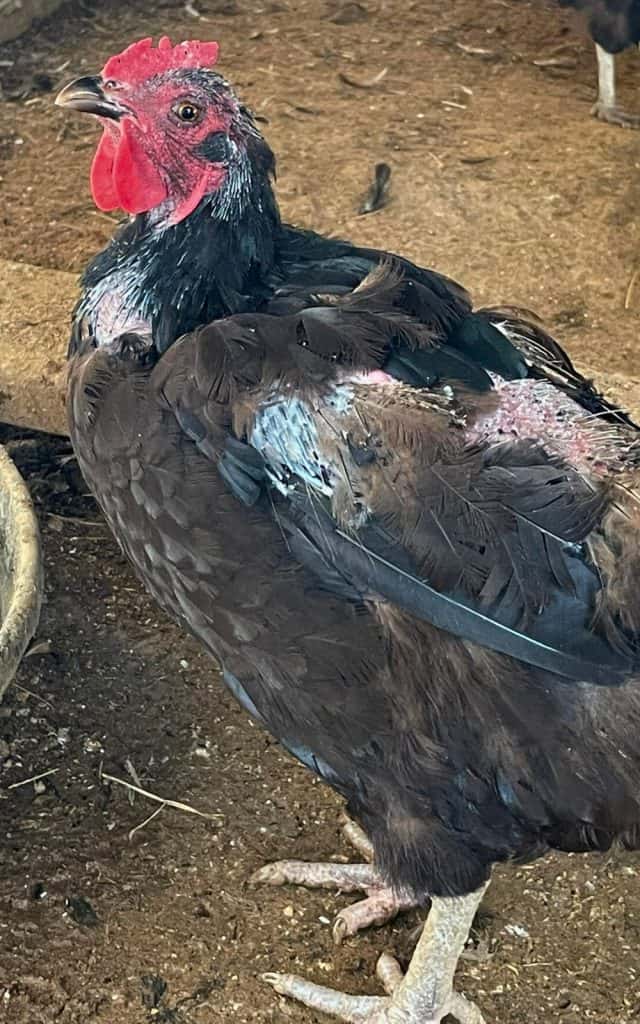
Is it molting or sickness?
Molting is a normal and healthy process that prepares your chickens for colder, winter weather. However, I understand it can be disturbing to see your feahered friends half naked and disheavaled. If you are concerned that their feather loss is more than molting, evaluate the following.
What to Look For
Molting Is:
When to Be Concerned:
From Molt to Winter Recovery
Molting may leave your barnyard looking like your chickens survived an ambush! Rest assured, molting is a natural process for all birds. Worn and damaged feathers are replaced with new feathers that help chickens prepare for the coming winter months. While it’s disappointing to collect fewer eggs, egg production will return as daylight hours increase. Your hens will be refreshed! They will be able to recover from the demands of egg laying, broody behavior, motherhood, and molting. The best thing you can do is to provide them with a stress-free environment and the nutritional support they need through a high-protein diet. Like us, even chickens can benefit from the rest and slower demands of homestead life in the winter.
Want to learn more… check these out!
Chicken Molting FAQ: What Every Keeper Should Know
Chickens go through several molts. The first is when baby chicks transition from fluff to feathers. The second chick molt is around 8 to 12 weeks of age, when they begin to get their adult plumage. Adult chickens begin their annual molt around 16 to 18 months of age.
Molting can last as little as 3 weeks but up to 4 months. The age of the bird, the quality of the chicken’s diet, and the breed are all factors that affect the duration of a molt.
While mature chickens will molt around 16 to 18 months of age, each chicken will molt at their own pace. Some will start early and recover quickly. Others may look scruffy for a longer period of time.
Stress and broody behavior may cause your chickens to molt more than once a year. Extreme heat, a predator scare, or significant flock changes can cause chickens to molt a second time.
Yes, a high-protein diet provides the nutritional support your chickens need.
Unlike mature feathers, pin feathers have a blood vessel. You can usually see the dark blood vein through the sheath of the developing feather. As a feather grows, the blood vein recedes. The blood supply to the feather will stop once the feather is fully developed. If a pin feather is damaged or accidentally cut (when trimming wings), the feathers will bleed quite a bit. In some cases, a quick stop powder that helps clot the bleeding can help. If the pin feather is bleeding significantly, it’s best to pluck the pin feather.
Growing and producing feathers is a natural process, but just like teething and growth spurts, the molting process can be uncomfortable. The pin feathers may be sensitive; handle your chickens with care.
While the hormonal changes and increased dietary demands of molting may slow or even stop egg laying, chickens may not increase their egg laying until the days begin to lengthen in the spring.
Young hens hatched in the spring and summer will begin laying eggs in the fall and winter. They will not molt again until they are 16 to 18 months old. Introducing young pullets into your flock is one the best way to ensure you’ll have fresh eggs throughout the winter. Even when light conditions are not the best, when you gotta lay eggs, you gotta lay eggs!
Find this post helpful?
Share it on Pinterest

About the Author: Barbra-Sue Kowalski grew up on a small hobby farm. She was always drawn to farm life, however, she was stuck in an urban life far from her roots. Barbra-Sue was a single mom for 13 years, raising her 3 children on her own. She met Philip in 2018 and they married in 2021. Between the two of them, they have 5 grown children and 7 grandchildren. These empty nesters are following their dreams! As they both turn 50, they are building their off-grid homestead to live the life that they dream about. Learn more about Philip and Barbra-Sue here. Contact them here. To leave a comment on this post, please scroll down.


