How to Store Whole Grains for Long-Term Use

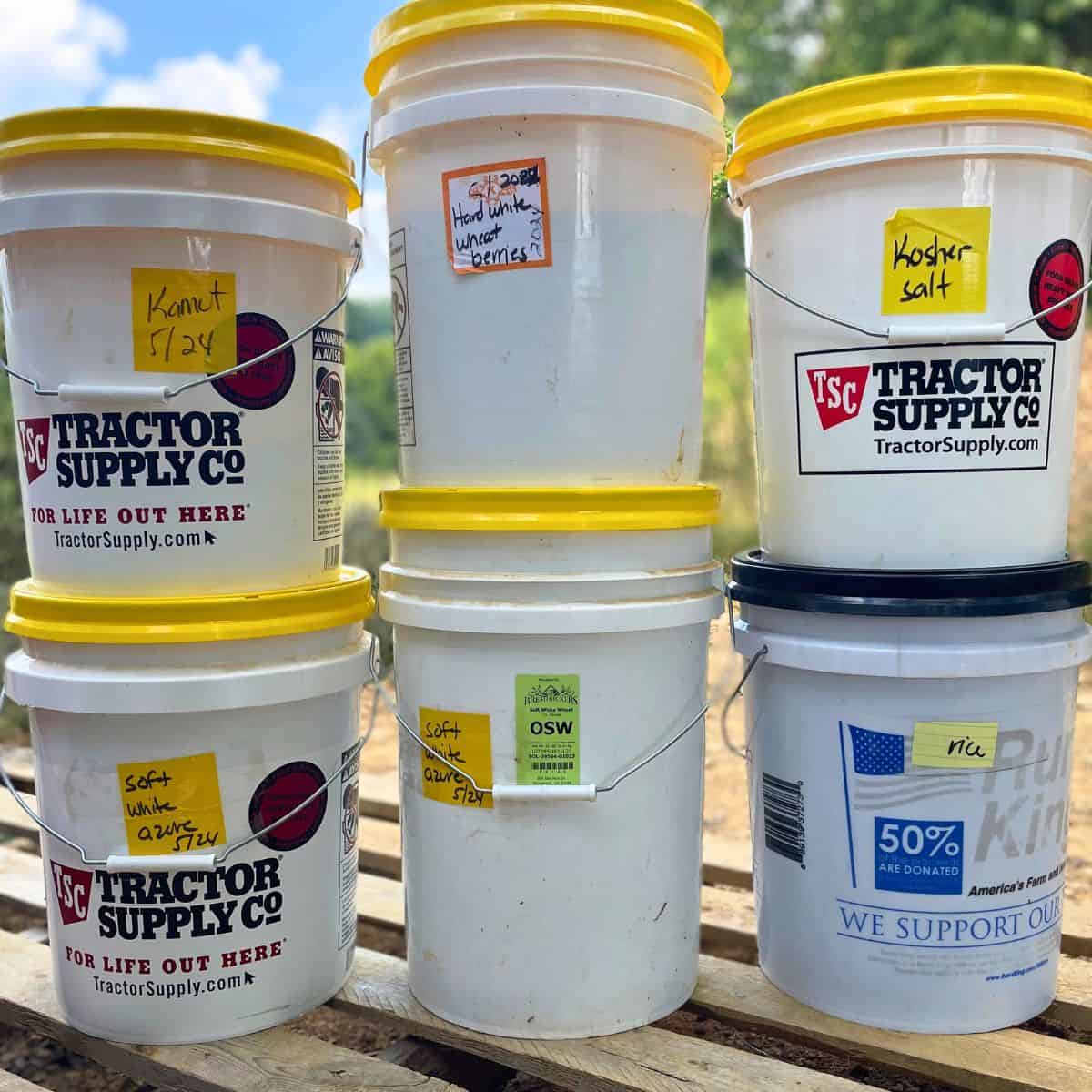
Whole grains are one of the best foods to keep on hand, whether you’re stocking up to mill your own flour or building a pantry for long-term preparedness. Whole wheat berries maintain their nutritional value and last much longer than whole grain flour. Buying in bulk saves money and ensures you always have fresh, nutritious grains on hand. But buying in bulk also comes with a challenge: how to store whole grains for long-term use so they don’t spoil or become infested with pests. With the right storage methods, your investment in whole grains will be ready for tomorrow’s loaf of bread or your emergency food stash.
Why Proper Storage of Grains Matters
Unlike other types of foods, whole grains have a much longer shelf life. In the right conditions, properly stored grains have been known to last for decades! In Biblical times, grains were used to prevent starvation during famine. Even today, grains are a reliable source of food that is an essential part of a balanced diet.
Buying whole grains in bulk is an investment. Many companies sell grains already packaged in long-term storage buckets. While this is the easiest way to purchase grains for long-term storage, it is also the most expensive. In some cases, the same grains will cost you almost 50% more for the convenience. The food storage plan you choose will depend on how long you plan to store the grains. If your goal is to package grains for long-term food storage, the extra effort can mean the difference between food security and wasted food and resources.
Find this post helpful?
Share it on Pinterest
The Enemies of Long-Term Grain Storage
Heat, air, light, moisture, and pests are the biggest concerns when it comes to stored grains. These simple guidelines are the best way to ensure your grains will remain fresh for years to come.
Store Grains in a Cool Dry Place:
Location is an essential part of your long-term storage plan. Grains need to be stored in cool places at a consistent temperature between 50 to 70 degrees. Additionally, avoid direct sunlight that can cause your food to degrade. Moisture and mold growth can quickly ruin your stored grains, especially if you live in a humid climate.
While it may be tempting to store your grains in the garage, the fluctuating temperatures and moisture levels accelerate the growth of mold and are not appropriate for stored grain.

Looking for resourcES?
Everything you need to know to get started using fresh ground flour!
Don’t know where to start?This page is dedicated to helping you navigate the resources available to get you started on your fresh ground flour baking journey.
Insect Prevention in Stored Grain
Insects are a part of life and farming! Weevil eggs can be found in grains, even in the best of circumstances. Add multiple warehouses and shipping to the mix, and there are even more opportunities for your organic grains to be exposed to bugs. Personally, I prefer to use an ounce of prevention when it comes to protecting my grains from an insect infestation. Whether I am storing grains for an extended period or for immediate use, I run all of my grains through the freezer. This can be challenging, especially when it comes to purchasing grains in bulk; however, this simple step is the most effective way to prevent an insect infestation in your own pantry.
Steps to Freezing Grain for Insect Prevention
Not a lot of freezer storage space? Freeze just one bag at a time. I know, I know…. but this is an important step!
Alternatives to Freezing Grains
Some people prefer to use food-grade diatomaceous earth (DE) in their whole grains. The DE is sprinkled into the grains and is damaging to the exoskeletons of insects, causing them to die. Bay leaves are another popular option. The strong aroma of bay leaves deters pests.
Best Practices for Short-Term Storage
For everyday use, I use gallon-size glass jars in my kitchen pantry. These take up minimal space, but still provide air-tight storage. They are easy to use, and I can tell at a glance how much grain I have on hand. While rows of jars may look pretty displayed on a shelf, keeping the grains in a dark pantry or cupboard is best. Dark places extend the life of the grains for optimal freshness.

If your goal is to purchase and use your grains within the year, it’s not necessary to incur the expense and extensive effort for special packaging. Simply keeping the grains in an airtight storage container in a cool, dry place will likely meet your needs.
For grains stored in short-term storage, I keep them in 5-gallon buckets with specially made gamma lids. Gamma lids are a good option if you will need to access the grains frequently. These tight-fitting lids are a two-part system. The ring fits tightly on the rim of the bucket, and the center lid screws on and off, creating an air-tight seal.

Pantry Preparedness
Being prepared for an emergency is something that every family should strive for. No matter where you live emergency situations happen! Natural disasters, severe weather, power outages, medical emergencies, and unexpected job loss are just a few of the unpredictable life events we all experience. Having a well-stocked pantry provides peace of mind regarding emergency preparedness. When emergencies happen, and they do, pantry preparedness means you know you have enough food to feed your family.
Best Practices for Long Term Storage
If your goal is to build your food stores for food security in times of crisis, natural disaster, or unexpected life events, follow these extra steps when storing grains. Properly storing grains for long-term use will extend the life of your grains and provide peace of mind to know you have a reliable food source you can depend on.

How Much Grain to Store
In times of crisis, wheat is essential for a well-stocked pantry. Most sources recommend planning on approximately 150 pounds of grains per adult per year for long-term grain storage. Consider adding a variety of grains to your long-term storage plan: white rice, oat groats, and dry beans to round out your food stores. Just like learning to use fresh milled flour, know how to cook the grains you store, so you are prepared to use them if you need to.
Multiple Layers of Protection
Food-grade buckets are one of the most popular options for grain storage. When storing grains for long-term storage, the tight-fitting lids sold for most buckets will be best. Use a mallet to ensure the lid is properly seated. However, as you can imagine, the number of plastic buckets you will need will really add up! It takes approximately three five-gallon buckets for every 100 pounds of wheat berries you need to store. This can increase depending on what grain you are storing; large grains may fill up to 5 buckets! A good alternative to buckets is large food-grade barrels. Just like buckets, these barrels are airtight storage containers. They come in metal, stainless steel, plastic, and fiber.

When choosing between buckets or barrels, consider your storage space and access. Buckets can be easily stacked and rotated. Barrels will hold more grain, but they would be difficult to rearrange or may be difficult to fit in a tight space.
For long-term storage, longer than one year, it is wise to package your whole grains in mylar bags with oxygen absorbers and place the bags inside a food-grade bucket or barrel. Mylar bags protect your whole grains from three elements: moisture, air, and light. However, they can still be chewed through by rodents or may develop pin holes. By placing your mylar bags inside a bucket, you protect the bags from being damaged or compromised by rodents.
One 2000cc oxygen absorber is recommended for use in a 5-gallon food storage bucket containing dense grains such as wheat. Storing less dense grains such as beans or pasta, use two.
Rotation and Maintenance
One of the best things you can do for any food storage is to rotate your stock. Develop a system to always use the oldest stock first. Even when using large barrels, package the grains in smaller amounts in Mylar bags. This makes it easy to rotate your stock and replenish your short-term storage buckets with an appropriate amount of whole grains that best fit the storage containers you use most.

Benefits of Storing Whole Grains for Long-Term Use
Storing whole grains for long-term use isn’t complicated. By protecting your grains from heat, moisture, light, air, and pests, you can preserve both nutrition and flavor for years to come. The effort you invest in learning how to store whole grains for long-term use not only safeguards your food security but also ensures you can keep baking and cooking with confidence, no matter what life brings.
If you’re ready to take the next step, start small: buy one bulk bag of wheat berries, and try the storage method of your choice. Once you have a plan, begin increasing your investment in whole grains and rotating them into your kitchen. Before long, you’ll have both peace of mind and a pantry full of wholesome grains ready for any season.
Learn more about whole grains


About the Author: Barbra-Sue Kowalski grew up on a small hobby farm. She was always drawn to farm life, however, she was stuck in an urban life far from her roots. Barbra-Sue was a single mom for 13 years, raising her 3 children on her own. She met Philip in 2018 and they married in 2021. Between the two of them, they have 5 grown children and 6 grandchildren. These empty nesters are following their dreams! As they both turn 50, they are building their off-grid homestead to live the life that they dream about. Learn more about Philip and Barbra-Sue here. Contact them here. To leave a comment on this post, please scroll down.