How to Buy Whole Grains in Bulk: Tips & Sources

Buying whole grains in bulk is one of the best ways to save money, build your pantry, and enjoy healthier foods at home. If you are new to milling your own grains, knowing how to buy in bulk can feel a little overwhelming. Where do you find quality wheat berries? How do you know which sources are reliable? I’ll walk you through the best tips for buying whole grains in bulk and highlight reliable sources, so you know exactly where to buy and what to pick.
What are whole grains? (And Why Buy Them In Bulk)
Whole grains, as defined by the Whole Grains Council, must contain all the essential and naturally occurring nutrients of the entire seed. While whole grains can be processed, all parts of the processed grain should be included in the end product.
Our Top Reasons for Buying Whole Grains in Bulk

Looking for resourcES?
Everything you need to know to get started using fresh ground flour!
Don’t know where to start?This page is dedicated to helping you navigate the resources available to get you started on your fresh ground flour baking journey.
Tips for Buying Whole Grains in Bulk
Buying in bulk and building a usable pantry takes time. Most of us have to start slowly and build our bulk grain supplies slowly. Here are some practical tips for buying bulk grains that won’t break the bank!
Know What You Will Use: As with anything, only buy what you will use. Grains that you don’t like, or don’t know how to cook, will not save you money.
Start Small: As you begin this fresh-milled flour journey, start small. Always buy new grains in smaller quantities to try them first. Just because some of the most popular grains are trendy or marketed to be safer for people with wheat sensitivities doesn’t mean that they will work for you.
Compare Prices: This is worth saying again. Always compare prices. Be sure to compare like items (apples to apples) in the same unit of measurement.
Understand Shipping Costs: For most of us, especially when stocking up on wheat, we have to order online. Shipping can make you or break you! Personally, I look for companies that offer free shipping. However, when comparing prices, you should include the shipping costs in your price breakdown to determine the best price. It goes without saying that bulk grains are heavy, and shipping can add up fast!

How to Pick the Right Grain Source
Here are some things to consider when you choose a source to buy bulk whole foods.
- Organic vs. conventional: Are you seeking only organic products, or are there non-organic foods you might consider?
- Grain variety: Are the grains you use available? Are they frequently out of stock?
- Quality of Grains: Are the grains clean? Does the grain often contain debris such as hulls, weed seeds, or stones? Check the online community for reviews.
- Shipping Costs: Shipping can become cost-prohibitive for bulk purchases. Be sure to consider shipping in your price comparison.
- Convenience: Buying co-ops may save you money, but the pickup locations may be a long commute or the pickup times too random to fit your schedule.
Learn more about whole grains


Where to Buy Whole Grains in Bulk
Consider yourself very lucky if you have a local store to purchase bulk foods, especially organic grains. Here are some places to consider:
Natural Food Stores
Natural food stores will be a good source of organic food. However, they may not offer bulk quantities of grains, or it may be cost-prohibitive. It might be a good option to try small quantities of a new grain for the first time to determine if you want to purchase in bulk elsewhere.
Wholesale Buying Clubs
While most wholesale clubs don’t carry wheat berries, they are a good source for oats, brown rice, and white rice. Some also carry special grains like quinoa.
Farmers’ Markets or Local Farms
Depending on where you live, check the local farmers’ market for grains. Be sure to check if the grains are agricultural grains or food quality. The equipment cleanliness standards will vary based on the intended use of the grains.
Amish Food Stores
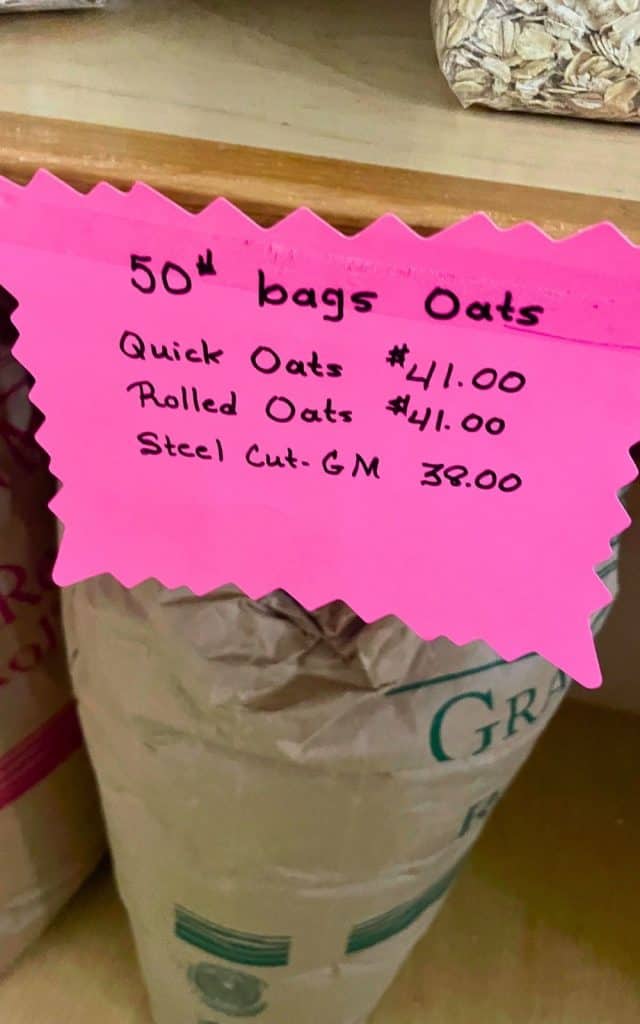
If you live near an Amish food store, they are great sources for bulk whole grains. The Amish purchase most of their staples in bulk; however, watch your labels, as they may not all be organic sources.
Online Sources
For many of us, shopping online for our whole grains may be our only option. Here are a few of my favorite options from retailers whose products I have personally used.
Bread Becker
Bread Becker has been my favorite place to order bulk grains. One of my favorite things about buying from Bread Becker is that most of the grains come in CO2-treated buckets. Even the small 5-pound quantities came in a plastic bucket. These grains are ready for long-term storage.
Note: Ths vendor sells 2-pound quantities in baggies, not gallon buckets.
Bread Becker has a few buying options. They have a retail store outside of Atlanta, GA. While I travel through Atlanta often, it’s always in the middle of the night, and sadly, I have never made it there. They also have an online store. When you order from the online store, they deliver right to your address; however, you will pay dearly for shipping. To estimate shipping costs, add any item to your cart and then use the estimated shipping option to check the shipping costs. I checked a single bucket of bulk grains; the shipping was half the cost of the grains, significantly increasing the price.
The third option is to order from Bread Beck Co-op. The coop is a group of people who place an order together to take advantage of bulk shipping. The order will be shipped to a local drop, and you will have to pick it up there when it arrives. Shipping costs are much more affordable; however, you need to plan ahead. The coop system only does quarterly shipments. Additionally, the products available through the coop are more limited than those that are offered through the online store.

Grand Teton Ancient Grains
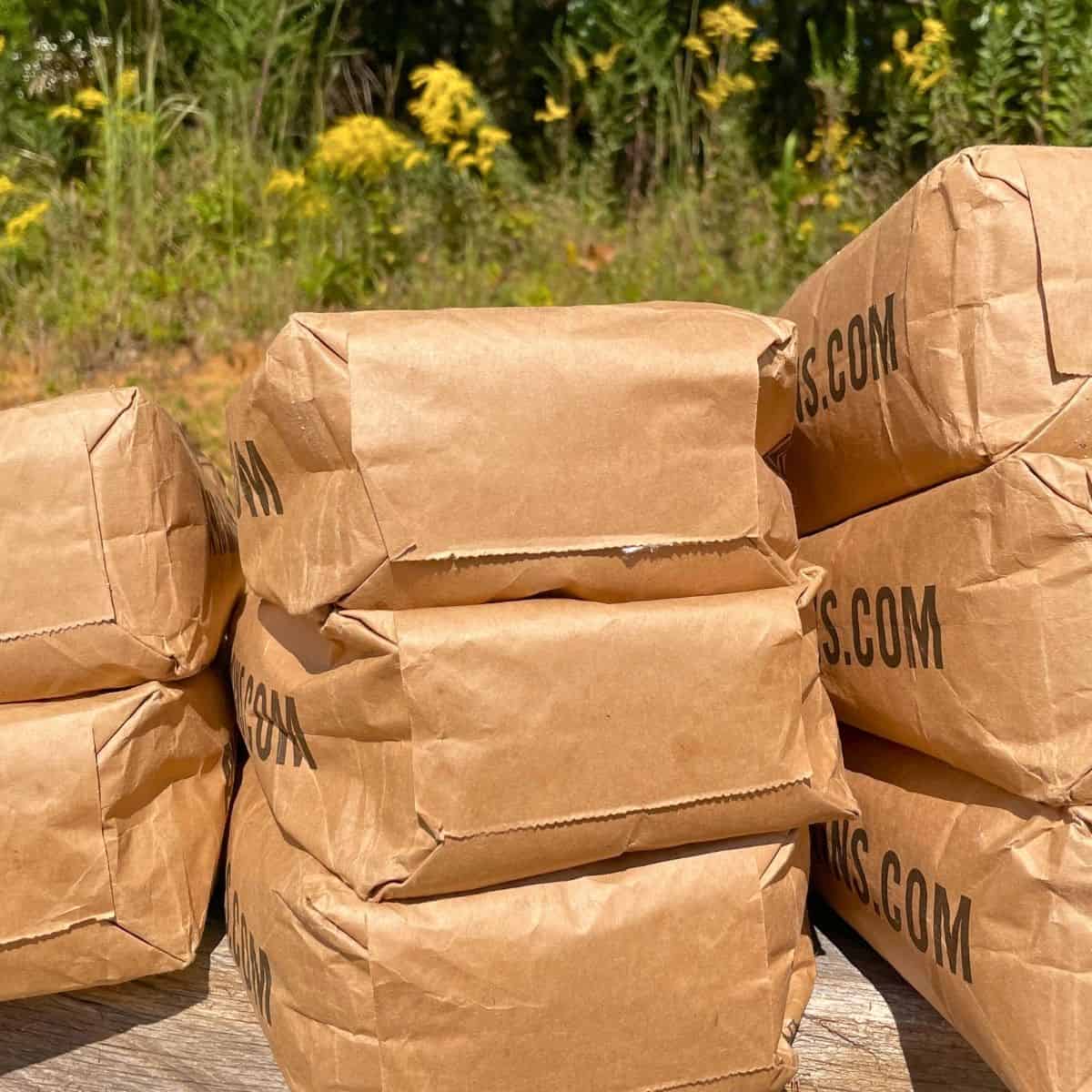
Ancient Grains is my newest source of wheat berries. They are a certified organic, regenerative farm currently being run by the 6th generation of farmers! I have been especially pleased with the cleanliness of the grains; absolutely every bag I open is pristine. They do offer bulk quantities that are packaged in two ways. Super Pails are packaged in plastic buckets and are prepared for long-term storage. However, they also offer a more cost-efficient bulk bag packed in a heavy-duty paper bag. If you are concerned about food being stored in plastic, they’ve got you covered! Both options offer free shipping.
Ancient Grains offers grains in small quantities too. They have a “Fill the Box” option that allows you to mix and match grains to fill the box to get free shipping. This is a great way to try a variety of grains and still take advantage of free shipping. Ancient Grains has a good selection of grains, including some of the more difficult to find grains such as emmer; however, they currently do not carry soft wheat.
Amazon
It is no surprise that wheat berries can be purchased at Amazon. My favorite thing about purchasing from Amazon is that as a Prime member, I get free shipping. It’s also a very fast way to get grains. If you are eager to get started or possibly let yourself run out of your bulk grains, Amazon always gets your order to you quickly.

Palousa Brand
Palousa Brand is another great source to purchase not only whole grains but also beans and lentils. The grains are clean and come in different packaging options. They do offer free shipping on a large variety of items. For some items that they do not offer free shipping on their online store, they do have an Amazon storefront as well that prime members can take advantage of free shipping.
Azure Standard
Azure Standard is an excellent source for bulk foods. They are a food co-op where you make your purchase online, and your order is delivered to a local drop every month. I have ordered my grains from them for more than a year. More recently, there has been quite the buzz about dirty grains in multiple online groups. While I have never personally received dirty grains from Azure, I have been leery of reordering. Hands down, they offer the best prices on almost all the grains they sell. In addition to whole grains, Azure is an excellent resource for organic products to purchase most anything you might want. Read more about their policy regarding agricultural debris in whole grains to be sure you can accept their terms before purchasing. Read the policy here.

FAQs: Buying Whole Grains in Bulk
What’s the difference between buying whole grain wheat berries and flour?
Flour is already milled. Once the bran of the grain is broken, the flour begins to oxidize, losing nutrients. Whole grains remain as fresh as the day they were picked, as the bran acts as a protective shield.
Which whole grains are best to buy first if I’m just starting out?
I recommend Hard white wheat and soft white wheat.
Can you buy whole grains at regular grocery stores?
Likely not, I have never found any in conventional grocery stores. Though you may find them in the bulk bins at a whole foods store.
What size bag should I start with?
Start small, a 5 lb bag is a good size to start with. The only grains I recommend buying in higher amounts to start would be the hard white wheat or soft white wheat, as they are foundational grains you can use for all baking.
Do bulk grains go bad quickly?
Nope! The best part about whole grains is that they last for decades! They do need to be stored properly in a cool dry place. (more to come on that soon)
How much grain should I buy at once?
As much as you can store properly. I buy whole grains in bulk to save money.
Is it cheaper to buy online or locally?
If you can find them, buying directly from the farmer is usually most cost-effective. Additionally, there is no shipping cost, though you could factor in travel expenses if you traveled a long way to pick up the grains.
Do I need special equipment to use whole grains, or can I cook with them as-is?
If you want to mill your own flour, you will need a grain mill. However, whole grains such as wheat, barley, quinoa, and oats can all be cooked whole.

Find this post helpful?
Share it on Pinterest
Food Security and Budget-Friendly
Buying grains in bulk just makes sense. Since many of us don’t have access to local grain growers, a well-stocked pantry ensures you always have the whole grains you need on hand. Even better, buying in bulk is the perfect way to save your hard-earned dough! The best time to start is now! Choose your grains, place that order, and see how quickly bulk buying pays off in your kitchen.

About the Author: Barbra-Sue Kowalski grew up on a small hobby farm. She was always drawn to farm life, however, she was stuck in an urban life far from her roots. Barbra-Sue was a single mom for 13 years, raising her 3 children on her own. She met Philip in 2018 and they married in 2021. Between the two of them, they have 5 grown children and 7 grandchildren. These empty nesters are following their dreams! As they both turn 50, they are building their off-grid homestead to live the life that they dream about. Learn more about Philip and Barbra-Sue here. Contact them here. To leave a comment on this post, please scroll down.