
What Can You Do With Deer Fat? Practical Uses for Tallow


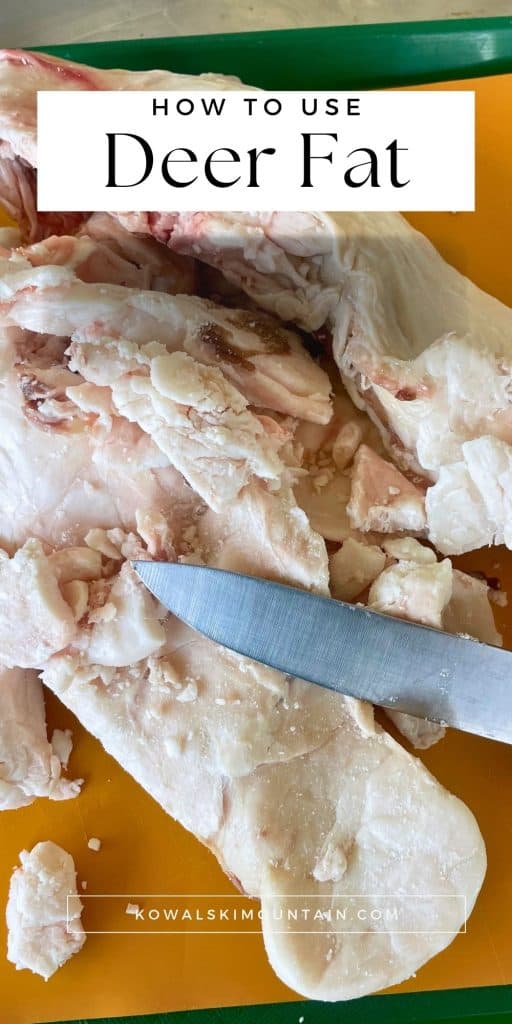
Like many homesteaders and hunters, we want to honor the animals we harvest by being good stewards of the harvest. If you have ever processed a deer, you may have wondered, What can you do with deer fat? For many hunters, the instinct is to toss it in the gut pile, assuming it’s part of the waste of deer processing. However, when handled correctly, deer fat can become a valuable part of the harvest. Here are some useful ideas on how to use deer fat so you don’t let this overlooked resource go to waste.
Rendered Fat from Deer
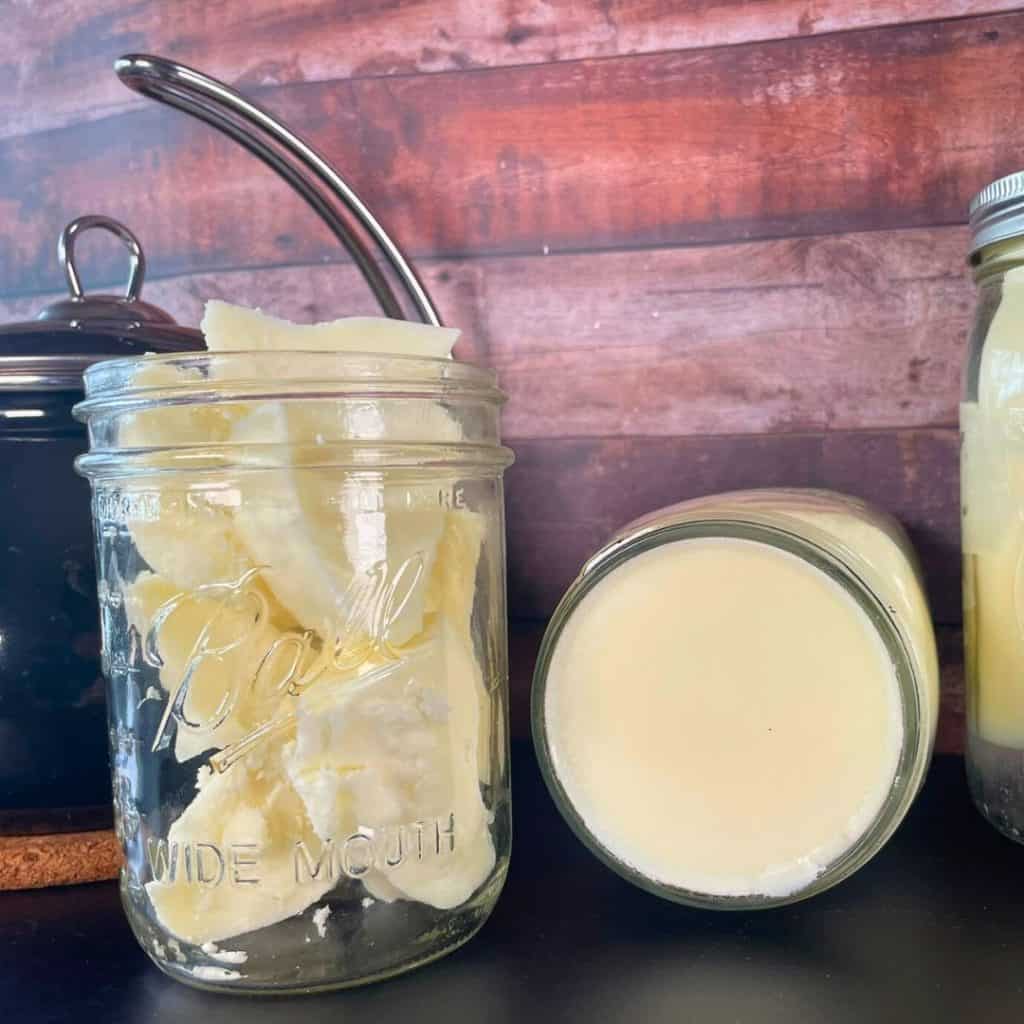
Rendered venison fat is referred to as tallow. Tallow, by definition, is the fat from hoofed ruminant animals. Most people are familiar with beef tallow. However, tallow includes rendered fat from sheep, goats, deer, and bison. Many people use tallow in cooking. Deer fat has a reputation for leaving a chalky feeling in your mouth after consumption. Deer fat is high in omega-3 fatty acids and stearic acid. The stearic acid causes the fat to give your mouth a chalky feeling when you eat it, which most people dislike.
Three Types of Animal Fat
Caul Fat: Caul fat is a web of fat that wraps around the organs in the body cavity. This lacy web of fat can be wrapped around meat for cooking. While I save it from all other large animals that we butcher, I have not yet tried cooking with deer caul fat.
Suet Fat: Suet is often considered the best fat for cooking. The suet fat is the fat around the kidneys and loins. Suet fat is very hard, crumbly fat that is rich in nutrients and has a high smoke point. This fat renders cleanest with little odor. Once cool, it is solid at room temperature.
Back Fat: The subcutaneous fat on the outside of the animal carcass is often also commonly referred to as suet; however, the subcutaneous fat, also called backfat or trim fat is different. While both kinds of fat can be rendered into tallow, tallow made from exclusively trim fat will be softer. It’s more commonly used in cooking and will retain a more meaty smell than suet.
Some people prefer to exclude the backfat when rendering tallow, using only the true suet fat found in the body cavity. However, to best use our resources, I include both kinds of fat in my tallow.

What is Rendering?
The rendering process is when the raw animal fats are cooked down on low heat to release and cook the oils. Once rendered, the liquid fat is sealed into airtight containers, and the highly perishable fats are now preserved in a shelf-stable form. There are two main methods of rendering the fat of deer: wet rendering and dry rendering. To make my deer tallow as pure as possible for soap making, I use a combination of the two methods.
In summary, the fat is cut into small pieces or run through a meat grinder. Then the fat is cooked down in a heavy bottomed pan. If you are processing a lot of fat, you can use a roasting oven or small amounts can be done in a crock pot until the liquid fat is released. Once cooked down, strain out the bits of meat. The hot fat is poured into hot mason jars, and the heat of the oils will cause the jars to seal. This is called heat sealing.
Rendering 101: Everything You Need to Know
Want to learn more about rendering your own fats? What’s the difference between wet rendering and dry rendering? Which method should I choose? This post goes through the entire process start to finish!
Useful Fats on the Homestead
Domestic Fats
Wild Game Fats
Creative Uses for Deer Tallow
Cooking is an obvious choice for a lot of people. In small amounts, I found it great to cook with. Making roux, anything that uses a small amount of tallow. However, last year I tried frying French fries in deer tallow. Philip did not care for it. I thought the fries were amazing, but he could not get past the chalky mouth feel he got after eating the fries.

Soap Making
Soapmaking is one of the primary ways that I use our venison tallow. One thing to note is that deer tallow and beef tallow are not interchangeable in your favorite soap recipe. Deer tallow has a different SAP value, and the recipes are slightly different. My two recipes have approximately a gram less of lye in the deer tallow recipe, as well as less water. Soap makers, it’s best to always run your recipe through a soap calculator to check anytime you substitute wild game fat into your favorite soap recipe. Soap made with deer tallow is slightly more conditioning than soap made with beef tallow.
Fun Facts
- Deer Tallow has a SAP value of 195 with a converted value of 0.139.
- Beef Tallow has a SAP value of 196 with a converted value of 0.14.
Tallow Balm
One of my favorite things to make with deer tallow is tallow balm! I have spent a fortune purchasing tallow balm for much too long! Even if you are buying tallow, making your own tallow balm will save you a chunk of change! My tallow balm has a slightly, ever so slightly “deer” smell to it despite my best efforts to render it multiple times. Frankly, it doesn’t bother me and I don’t smell “deery” afterwards. My words to the wise: if you don’t like the smell when pouring it, it won’t develop into a pleasing aroma! Add more essential oil while it’s still liquid!
Don’t stop there, deer tallow can be used to make sunscreen, lotions and lip balm!
The latest on Youtube:
Want to make your own? Tallow balm is simple & affordable to make at home (even if you buy the tallow)!
Candle Making
Tallow is an excellent fat to make hand-poured candles because it is solid at room temperature. Unlike lard and other softer fats, the tallow will hold its shape. Deer tallow can easily be mixed with your favorite spices or essential oils then poured into glass jars to create natural candles. Tallow candles burn cleanly without releasing harmful chemicals in your home.

Molded candles are a mix of deer tallow and beeswax.
Waterproofing
I am excited to try this one! When venison tallow is mixed with beeswax, it makes an excellent leather conditioner. You can use it to seal and condition your leather boots or gloves!

Feed Chickens or Wild Birds
In the cold winters here in Kentucky, I like to feed my chickens suet to help them generate body heat and fuel their bodies. One of the creative ways that I use the waste from rendering is I use all the meat bits strained from the tallow in my suet blocks. These natural fats are mixed with bird seed or cracked corn to create a treat that the chicks love. Since this is a lower-quality fat, I keep these frozen until ready for use.

Fire Starters
Mix tallow with sawdust, dryer lint, or pinecones to create a fire starter.
Bait
Don’t want to mess with rendering fats? Freeze your venison fat and any organ meats you choose for use as trapping bait.
Wild Fats
By harvesting the fats of the wild animals we hunt, we actively build our self-sustainable lifestyle instead of letting this valuable resource go to waste. Whether you render into tallow for soapmaking, body products, or even just feed the scraps to your chickens, deer fat has a valuable place in a self-sufficient lifestyle.
As homesteaders and hunters, using as much of the animals we harvest reflects our commitment to good stewardship and respecting the life taken. Even if you don’t use deer fat, building the knowledge and skills to process tallow keeps you ready for anything!
Find this post helpful?
Share it on Pinterest

About the Author: Barbra-Sue Kowalski grew up on a small hobby farm. She was always drawn to farm life, however, she was stuck in an urban life far from her roots. Barbra-Sue was a single mom for 13 years, raising her 3 children on her own. She met Philip in 2018 and they married in 2021. Between the two of them, they have 5 grown children and 6 grandchildren. These empty nesters are following their dreams! As they both turn 50, they are building their off-grid homestead to live the life that they dream about. Learn more about Philip and Barbra-Sue here. Contact them here. To leave a comment on this post, please scroll down.


One Comment